High Risk Pregnancy: Causes, Monitoring & Management
PregnancyHigh Risk Pregnancy: Causes, Monitoring & Management
By Dr. Melika Assefi|Feb 5, 2024|9 min read
A high-risk pregnancy is one in which the mother, the baby, or both face an increased likelihood of health complications. This designation does not mean that problems will definitely occur, but rather that closer monitoring and specialized care are needed to ensure the best possible outcome. With advances in modern medicine, the majority of women with high-risk pregnancies go on to deliver healthy babies.
Several factors can contribute to a pregnancy being classified as high risk. Advanced maternal age, defined as 35 years or older, is one of the most common risk factors. Preexisting medical conditions such as hypertension, diabetes, thyroid disorders, autoimmune diseases, and kidney disease can also increase risk. Additionally, lifestyle factors including smoking, alcohol consumption, and obesity can complicate pregnancy.
Pregnancy-specific conditions may also classify a pregnancy as high risk. Gestational diabetes develops when the body cannot produce enough insulin to meet the increased demands of pregnancy, affecting approximately 6 to 9 percent of pregnant women. Preeclampsia is characterized by high blood pressure and signs of organ damage, typically after 20 weeks of gestation. Both conditions require careful management to protect maternal and fetal health.
Multiple gestations, such as twins or triplets, are considered high risk due to the increased demands on the mother's body and the higher likelihood of preterm labor and delivery. Placental abnormalities including placenta previa where the placenta covers the cervix, and placental abruption where the placenta separates from the uterine wall prematurely, also require specialized monitoring and care throughout pregnancy.
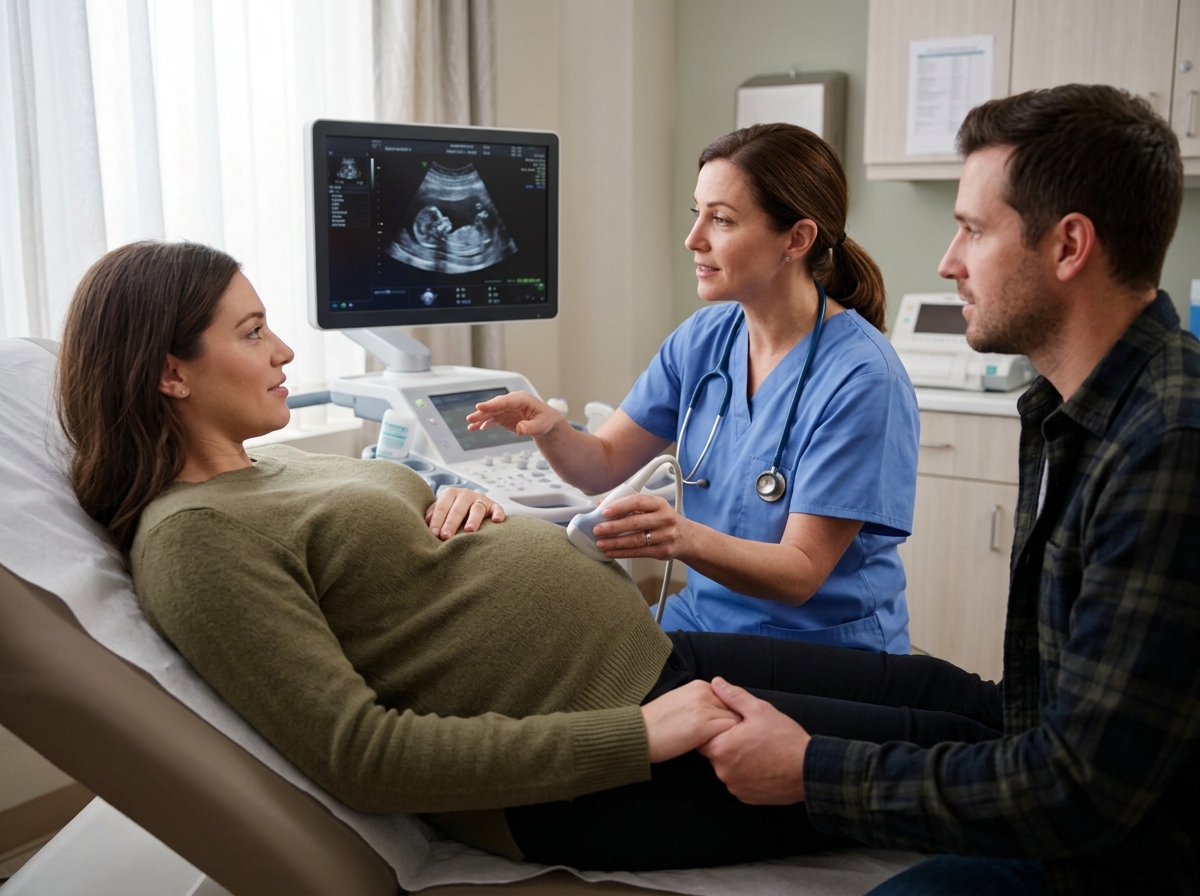
Monitoring a high-risk pregnancy involves more frequent prenatal visits and additional testing. Your healthcare provider may recommend more regular ultrasounds to track fetal growth and development, non-stress tests to assess the baby's heart rate in response to movement, and biophysical profiles that combine ultrasound with non-stress testing. Blood tests to monitor your health and detect potential issues are also performed more frequently.
Management strategies for high-risk pregnancies vary depending on the specific condition but often include lifestyle modifications, medications, and activity restrictions. For women with gestational diabetes, dietary changes and blood sugar monitoring are essential, with insulin therapy if needed. Bed rest may be recommended in certain situations, though its routine use has become less common in recent years. Corticosteroids may be administered to accelerate fetal lung maturity if preterm delivery is anticipated.
Emotional support is a critical component of high-risk pregnancy care. The stress and anxiety associated with potential complications can take a significant toll on mental health. Support groups, counseling services, and open communication with your healthcare team can help you navigate these challenges. Partners and family members play an important role in providing practical and emotional support throughout the journey.
The goal of high-risk pregnancy management is to optimize outcomes for both mother and baby while minimizing interventions whenever possible. Advances in fetal monitoring, medications, and neonatal care have dramatically improved survival rates and quality of life for babies born under high-risk circumstances. Working closely with a maternal-fetal medicine specialist can provide you with the expertise and reassurance needed during this complex journey.
Related Articles in Pregnancy

Breastfeeding Basics: Tips for New Mothers
Breastfeeding is a natural yet learned process that requires patience, practice, and support.
Read More →
Your Complete First Trimester Guide: What to Expect
The first trimester of pregnancy spans from week one through week twelve and is a period of incredible transformation.
Read More →
Hormonal Balance: Natural Ways to Support Your Endocrine Health
Hormones are chemical messengers that regulate virtually every function in the human body, from metabolism and growth to mood and reproduction.
Read More →