Cesarean Recovery: Your Guide to Healing After C-Section
ProceduresCesarean Recovery: Your Guide to Healing After C-Section
By Dr. Melika Assefi|Sep 30, 2024|7 min read
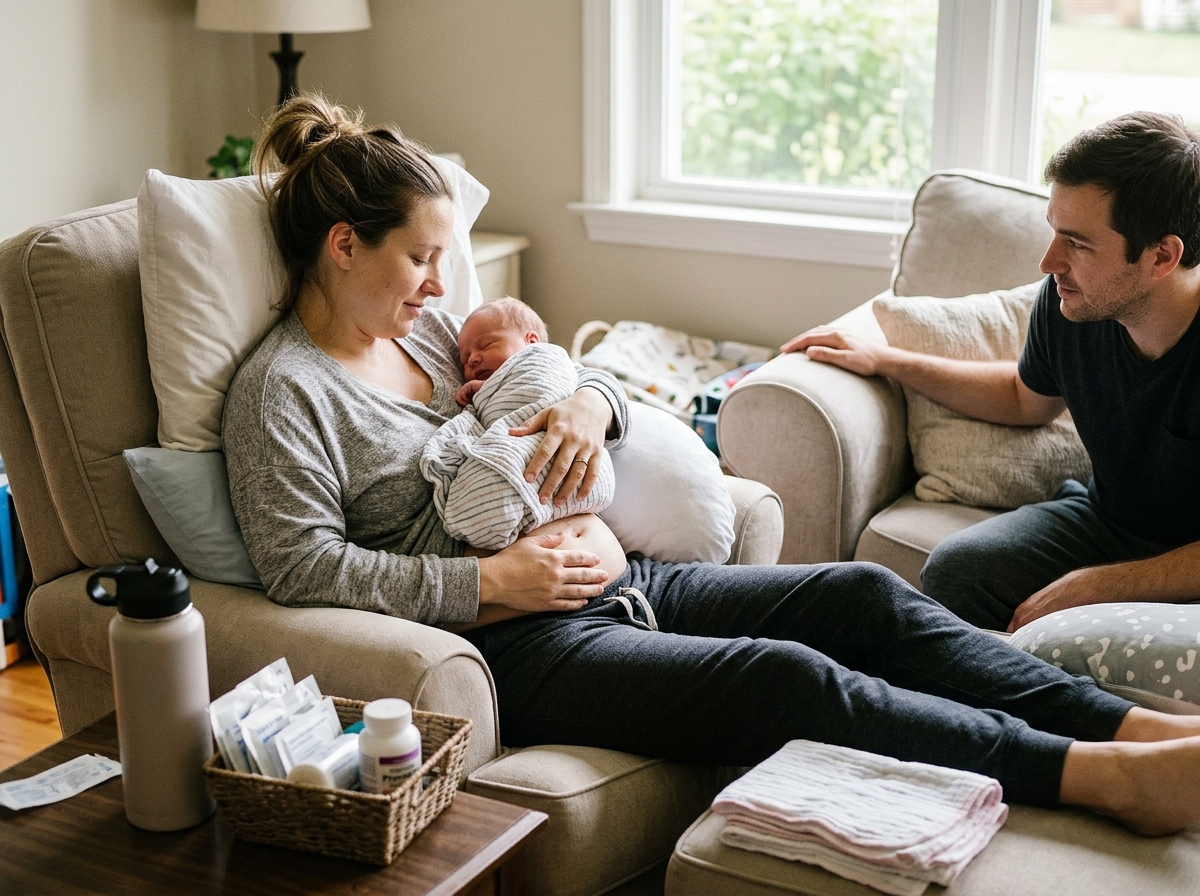
Cesarean section is a major abdominal surgery that requires deliberate and attentive recovery. Whether your C-section was planned or emergency, understanding what to expect during the recovery process can help you prepare, manage discomfort, and support optimal healing. Most women make a full recovery within 6 to 8 weeks, though the initial days require significant rest and support.
The first 24 to 48 hours after a C-section are focused on pain management and early mobilization. You will be encouraged to get up and walk with assistance as soon as possible, typically within 12 to 24 hours after surgery. Walking helps prevent blood clots and promotes bowel function. Pain medication will be provided, and you should take it as prescribed rather than waiting for pain to become severe. Holding a pillow against your incision when coughing, laughing, or moving can reduce discomfort.
Incision care is a critical aspect of C-section recovery. Keep the incision clean and dry, and follow your healthcare provider's instructions for showering and wound care. The surgical dressing can usually be removed after a few days. You may notice some numbness around the incision, which is normal and may persist for several months. Watch for signs of infection including increasing redness, swelling, warmth, drainage, or fever and report these to your provider.
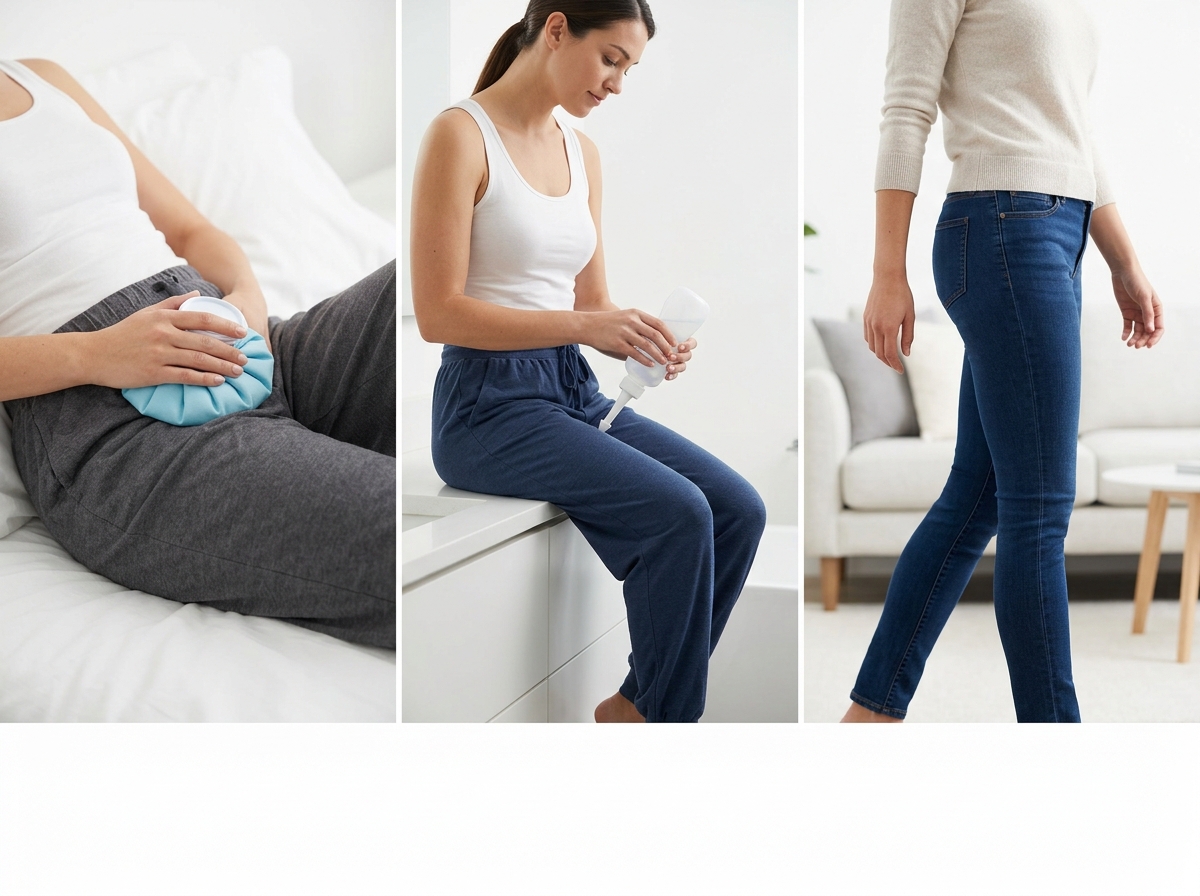
Managing pain at home requires a combination of medication and comfort measures. Most women are prescribed oral pain medications to take for the first week or two. Over-the-counter alternatives such as ibuprofen can help with pain and inflammation after the initial prescription runs out. Using a small pillow or rolled towel to support your incision when sitting or lying down can help. Wearing high-waisted, loose clothing prevents irritation of the incision site.
Activity restrictions after a C-section are important for allowing proper healing of the abdominal muscles and uterine incision. Do not lift anything heavier than your baby for the first 6 to 8 weeks. Avoid strenuous exercise, heavy housework, and driving for at least 2 weeks or while you are taking narcotic pain medication. Gradually increase your activity level as your body allows, and listen to your body's signals to avoid overexertion.
Emotional recovery after a C-section is as important as physical healing. Some women experience disappointment or grief if their birth did not go as planned, which is a normal and valid response. Hormonal changes, sleep deprivation, and the physical demands of recovery can amplify these emotions. Talking about your birth experience with your partner, a counselor, or a support group can be helpful. Seek professional help if feelings of sadness or anxiety persist.
Long-term considerations after a C-section include scar management and planning for future pregnancies. Silicone sheets or gels applied after the incision has fully closed can help minimize scar appearance. It is generally recommended to wait at least 12 to 18 months before becoming pregnant again to allow the uterine scar to heal completely. Discuss your plans for future pregnancies with your healthcare provider to understand the options for mode of delivery.