Normal Delivery Recovery: What to Expect After Vaginal Birth
ProceduresNormal Delivery Recovery: What to Expect After Vaginal Birth
By Dr. Melika Assefi|Oct 7, 2024|6 min read
Recovery after vaginal delivery is a gradual process that involves healing of the perineum, uterus, and pelvic floor while adjusting to the demands of caring for a newborn. Understanding what to expect during the postpartum period can help you navigate this transition with confidence and recognize when to seek medical advice. Every woman's recovery experience is unique, but certain patterns are common.
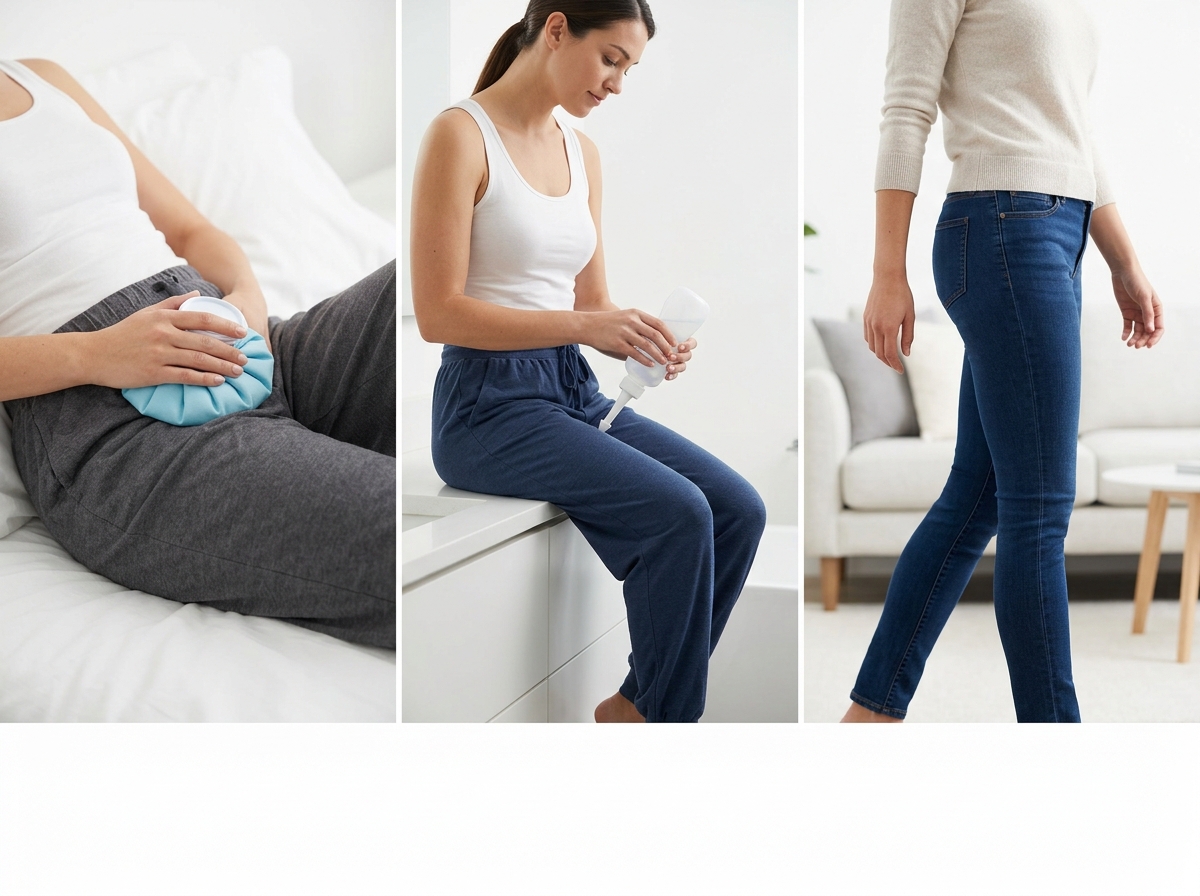
Perineal care is a priority after vaginal birth, particularly if you had an episiotomy or experienced a tear. The perineum may be sore, swollen, and bruised for the first week or two. Applying ice packs wrapped in a clean cloth for 15 to 20 minutes at a time during the first 24 hours can reduce swelling. Warm sitz baths several times daily, starting 24 hours after delivery, promote healing and provide comfort. Using a peri bottle with warm water to cleanse after using the toilet is gentler than wiping.
Pain management after vaginal delivery depends on the extent of perineal trauma. Over-the-counter pain medications such as ibuprofen and acetaminophen are usually sufficient and are safe for breastfeeding mothers. Topical numbing sprays or creams can provide additional comfort. Witch hazel pads placed on sanitary pads can soothe hemorrhoids and perineal discomfort. Constipation is common after childbirth and can exacerbate perineal pain. Stool softeners and adequate hydration help prevent constipation.
Vaginal bleeding after delivery, called lochia, is normal and can last for 4 to 6 weeks. The bleeding starts heavy and red, similar to a heavy menstrual period, then gradually becomes lighter in flow and changes color from red to pink to brown to yellow-white. Use sanitary pads rather than tampons during this time to reduce the risk of infection. Contact your healthcare provider if bleeding becomes very heavy with large clots or if you have a foul-smelling discharge.
Pelvic floor recovery after vaginal birth is important for preventing urinary incontinence and pelvic organ prolapse. Begin gentle Kegel exercises as soon as you feel ready, even in the first few days after delivery. Squeeze the pelvic floor muscles as if stopping the flow of urine, hold for 5 to 10 seconds, and release. Aim for multiple sets daily. A pelvic floor physical therapist can assess your muscle function and provide a personalized exercise program.
Returning to physical activity after vaginal delivery should be gradual. Walking is encouraged from the first day. Most women can resume light exercise such as walking and gentle stretching by 2 to 3 weeks postpartum. More vigorous exercise, heavy lifting, and high-impact activities should be avoided for at least 6 weeks or until cleared by your healthcare provider. Listen to your body and do not push through pain or excessive fatigue.
Your healthcare provider will schedule a postpartum visit approximately 6 weeks after delivery to assess your physical and emotional recovery. This visit typically includes a physical examination, blood pressure check, screening for postpartum depression, and a discussion about contraception and breastfeeding. Use this opportunity to discuss any concerns you have about your recovery, pelvic floor health, sexual function, or emotional well-being.