Intimate Whitening: What You Need to Know
Cosmetic GynecologyIntimate Whitening: What You Need to Know
By Dr. Melika Assefi|Jul 22, 2024|5 min read
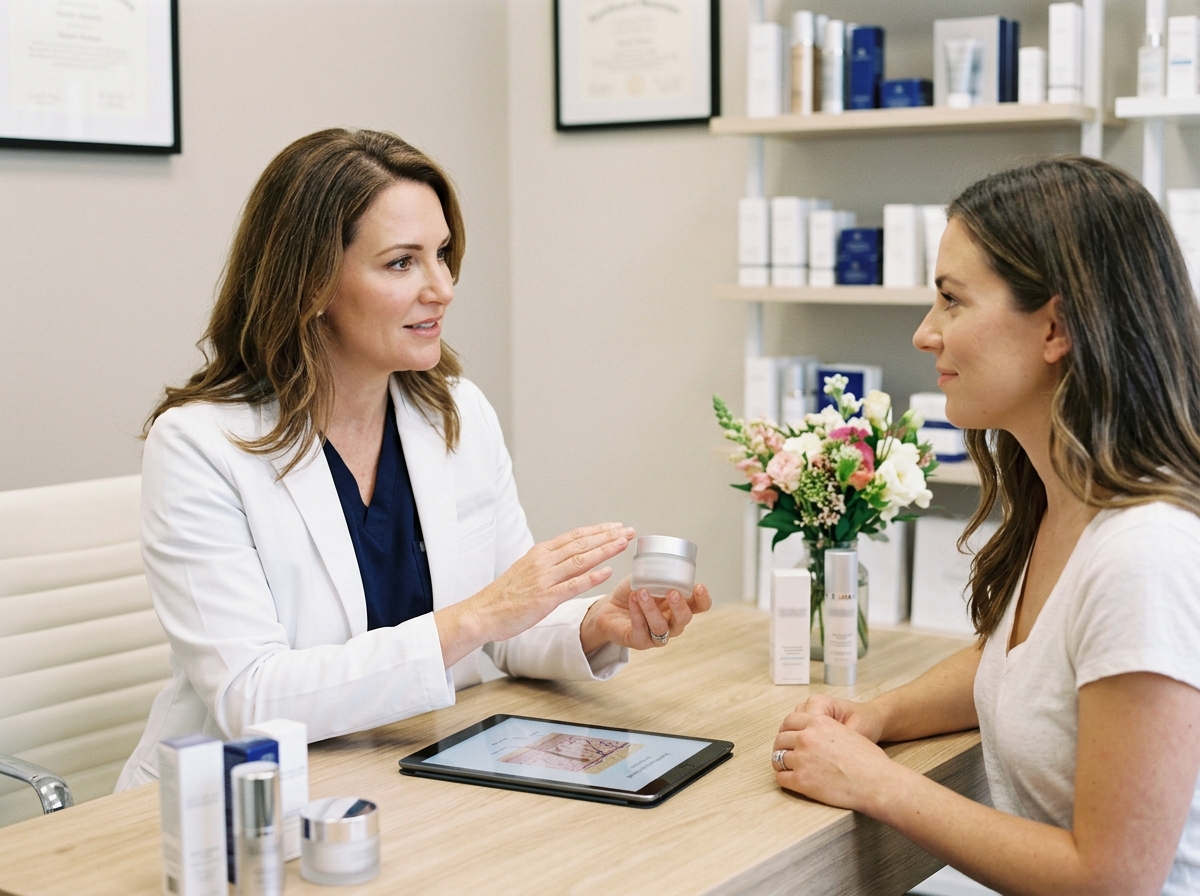
Intimate whitening, also known as genital depigmentation or vaginal lightening, is a cosmetic procedure designed to lighten the skin in the genital area. Many women naturally have darker pigmentation in the vulvar region compared to the rest of their body. While this is completely normal, some women seek treatment for aesthetic reasons, particularly if the darkening is uneven or has increased over time.
The darkening of intimate areas is primarily caused by a combination of genetic factors, hormonal changes, friction, and aging. Pregnancy, menopause, and hormonal contraceptives can trigger melanin production in the genital skin. Chronic friction from clothing, physical activity, and sexual activity can also contribute to hyperpigmentation. In most cases, intimate darkening is a normal variation and not a sign of any medical problem.
Several treatment modalities are available for intimate whitening. Topical creams containing kojic acid, vitamin C, azelaic acid, or hydroquinone can gradually lighten pigmentation over several weeks or months. These should only be used under medical supervision, as some ingredients can cause irritation or adverse reactions on sensitive genital skin. Chemical peels using mild acids can also promote skin lightening and exfoliation.
Laser treatments for intimate whitening use specific wavelengths of light to target and break down melanin in the skin. Q-switched lasers and fractional lasers are the most commonly used devices for this purpose. Multiple sessions are typically needed, and results are gradual as the body processes the fragmented melanin. Laser treatments should only be performed by experienced practitioners who understand the unique sensitivity of genital skin.
Intimate whitening treatments are generally well tolerated, with most women experiencing only mild temporary redness or sensitivity after treatment. It is important to follow all pre- and post-treatment care instructions carefully. Sun protection is crucial, as UV exposure can stimulate melanin production and reverse treatment effects. Most practitioners recommend avoiding sexual activity and strenuous exercise for a few days after treatment.
The number of sessions required varies depending on the treatment modality and the severity of pigmentation. Topical treatments may require 2 to 4 months of consistent application. Laser treatments typically require 3 to 6 sessions spaced 4 to 6 weeks apart. Results are not permanent, and maintenance treatments may be needed to sustain the desired lightness over time.
Before pursuing any intimate whitening treatment, it is essential to have a consultation with a qualified healthcare provider to rule out medical conditions that can cause vulvar pigmentation changes. Conditions such as lichen sclerosus, post-inflammatory hyperpigmentation, and certain skin disorders can mimic cosmetic concerns but require medical evaluation and treatment. A thorough assessment ensures that the chosen treatment is appropriate and safe.
Related Articles in Cosmetic Gynecology

Labiaplasty Recovery: What to Expect Day by Day
Labiaplasty is a surgical procedure to reduce or reshape the labia minora, the inner folds of skin surrounding the vaginal opening.
Read More →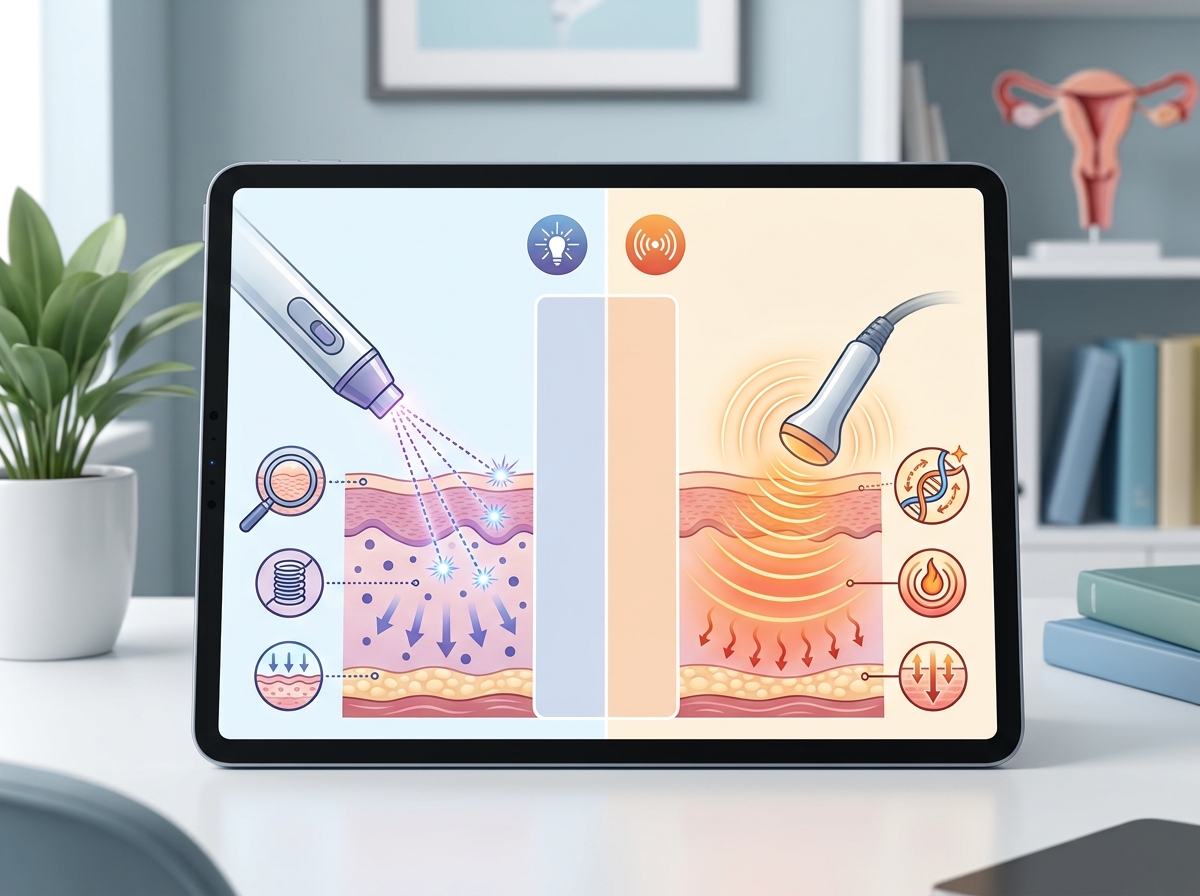
Laser vs Radiofrequency: Choosing the Right Vaginal Treatment
Non-surgical vaginal rejuvenation has become increasingly popular as women seek effective treatments without the downtime and risks associated with surgery.
Read More →