Laser vs Radiofrequency: Choosing the Right Vaginal Treatment
Cosmetic GynecologyLaser vs Radiofrequency: Choosing the Right Vaginal Treatment
By Dr. Melika Assefi|Jun 10, 2024|7 min read
Non-surgical vaginal rejuvenation has become increasingly popular as women seek effective treatments without the downtime and risks associated with surgery. Among the various energy-based technologies available, laser and radiofrequency devices are the most commonly used. Understanding the differences between these technologies can help you choose the treatment that best addresses your specific concerns.
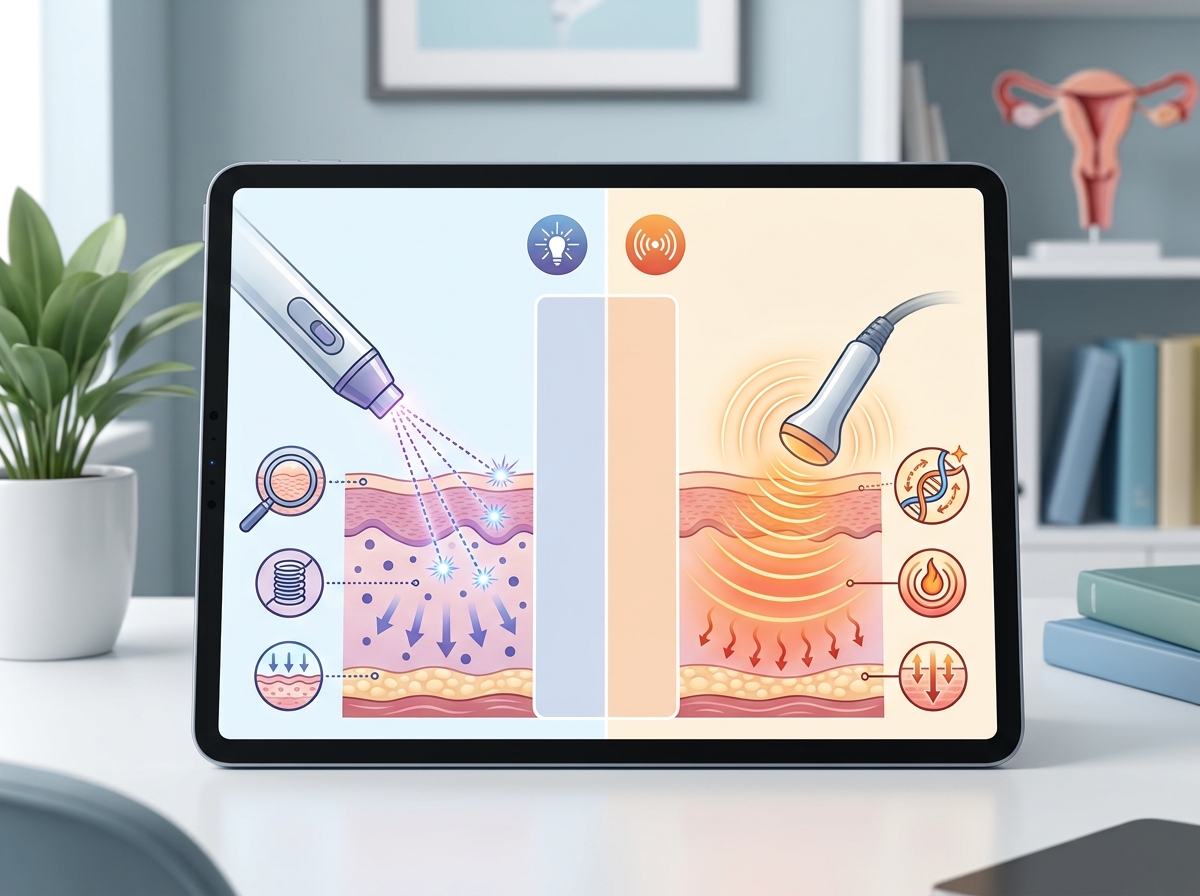
Laser treatments for vaginal rejuvenation use light energy at specific wavelengths to create controlled micro-injuries in the vaginal tissue. This triggers the body's natural healing response, stimulating collagen production, elastin formation, and tissue remodeling. Fractional CO2 lasers and erbium-doped YAG lasers are the two primary types used. CO2 lasers penetrate deeper and are often preferred for more significant tissue tightening, while erbium lasers are gentler with less thermal spread.
Radiofrequency technology uses electromagnetic energy to generate heat within the tissue layers. Unlike lasers which primarily affect the surface, radiofrequency energy penetrates deeper into the vaginal submucosa and muscular layers. The controlled heating causes immediate collagen contraction followed by long-term neocollagenesis. Radiofrequency devices typically have built-in cooling mechanisms to protect the surface tissue while delivering therapeutic heat to deeper layers.
Both laser and radiofrequency treatments improve vaginal laxity, reduce symptoms of stress urinary incontinence, and alleviate vaginal dryness. The main differences lie in their mechanisms of action, sensation during treatment, and number of sessions required. Laser treatments often work more quickly in fewer sessions but may cause more discomfort during the procedure. Radiofrequency treatments are generally more comfortable but may require more sessions for optimal results.
The typical course of laser treatment involves 2 to 3 sessions spaced 4 to 6 weeks apart. Each session lasts approximately 15 to 30 minutes. Patients typically describe a sensation of warmth and mild vibration during treatment. Radiofrequency treatments usually involve 3 to 4 sessions, also spaced several weeks apart, with each session lasting about 20 to 30 minutes. The sensation is generally described as a deep heating with minimal discomfort.
Results from both technologies become noticeable within weeks after the first session and continue to improve over several months as collagen remodeling progresses. The duration of results varies among individuals but typically lasts 12 to 18 months, after which maintenance treatments may be recommended. Factors affecting longevity include age, hormonal status, lifestyle factors, and the severity of the initial condition being treated.
Contraindications for both laser and radiofrequency treatments include active pelvic infection, pregnancy, recent pelvic surgery, and certain medical conditions. A thorough consultation with a qualified practitioner is essential to determine candidacy and develop an appropriate treatment plan. Both technologies are considered safe when performed by trained professionals, though individual risks and benefits should be discussed during your consultation.
Related Articles in Cosmetic Gynecology

Intimate Whitening: What You Need to Know
Intimate whitening, also known as genital depigmentation or vaginal lightening, is a cosmetic procedure designed to lighten the skin in the genital area.
Read More →
Labiaplasty Recovery: What to Expect Day by Day
Labiaplasty is a surgical procedure to reduce or reshape the labia minora, the inner folds of skin surrounding the vaginal opening.
Read More →