Abnormal Uterine Bleeding: Causes & Treatment Options
GynecologyAbnormal Uterine Bleeding: Causes & Treatment Options
By Dr. Melika Assefi|May 20, 2024|7 min read
Abnormal uterine bleeding is one of the most common reasons women seek gynecological care, accounting for up to one-third of outpatient visits. It refers to any bleeding from the uterus that deviates from the normal pattern in terms of regularity, frequency, duration, or volume. Understanding the potential causes and available treatment options is essential for appropriate management.
Normal menstrual cycles typically occur every 21 to 35 days, last 4 to 7 days, and involve a blood loss of 30 to 80 milliliters. Abnormal uterine bleeding can present in various ways including heavy menstrual bleeding exceeding 80 milliliters per cycle, prolonged bleeding lasting more than 7 days, frequent bleeding occurring less than 21 days apart, irregular bleeding with unpredictable intervals, and bleeding between periods or after intercourse.
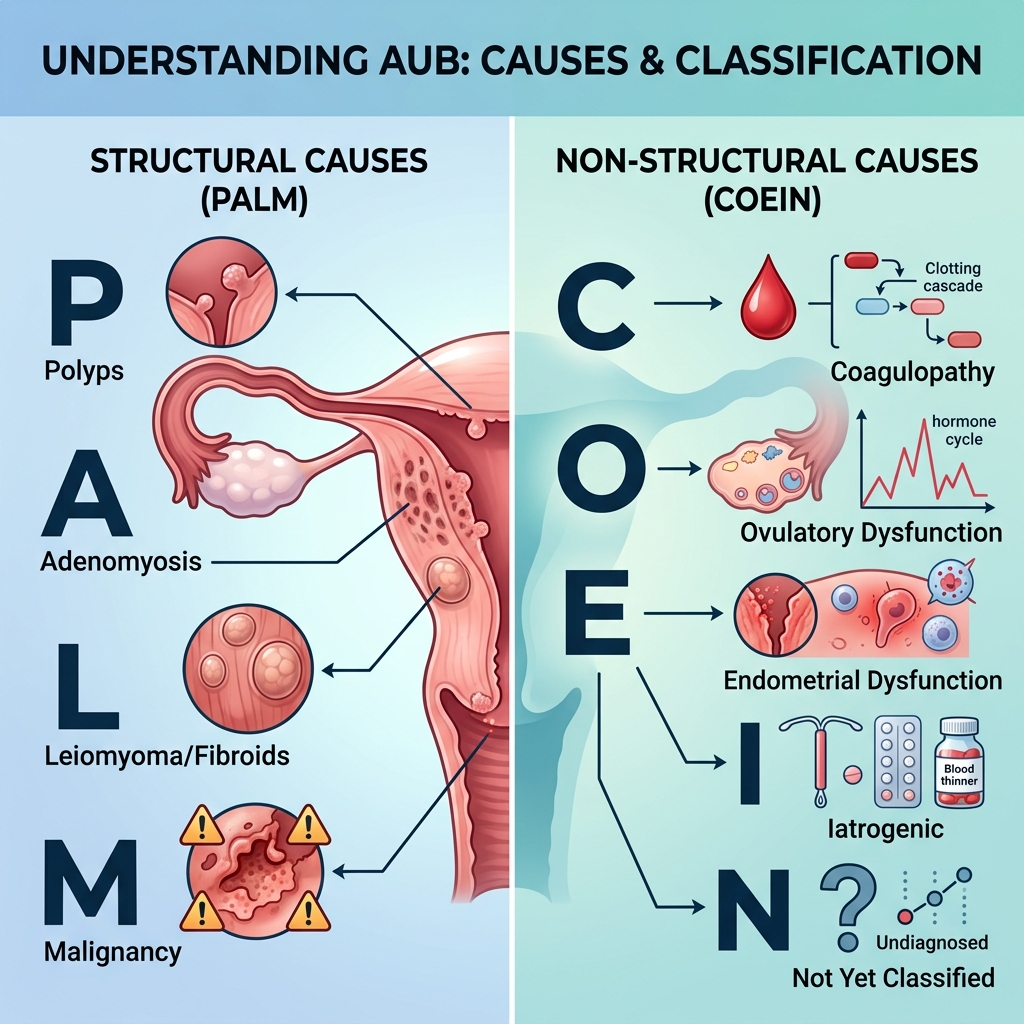
The causes of abnormal uterine bleeding are numerous and can be categorized using the PALM-COEIN classification system. Structural causes include endometrial polyps, adenomyosis where endometrial tissue grows into the uterine muscle, uterine fibroids, and malignancies. Non-structural causes include coagulopathy or bleeding disorders, ovulatory dysfunction, endometrial causes, iatrogenic factors from medications, and conditions not yet classified.
Ovulatory dysfunction is one of the most common causes of abnormal bleeding, particularly in adolescents and perimenopausal women. Conditions such as PCOS, thyroid disorders, hyperprolactinemia, and stress can disrupt normal ovulation, leading to irregular bleeding patterns. Pregnancy-related complications including ectopic pregnancy and threatened miscarriage must always be considered in women of reproductive age with abnormal bleeding.
Evaluation of abnormal uterine bleeding begins with a thorough history and physical examination. Laboratory tests typically include a pregnancy test, complete blood count to assess for anemia, thyroid function tests, and coagulation studies if indicated. Imaging with pelvic ultrasound is essential to evaluate for structural abnormalities. Endometrial biopsy may be recommended for women over 45 or those with risk factors for endometrial cancer.
Treatment options depend on the underlying cause, the severity of bleeding, and the patient's reproductive goals. Medical management is the first-line approach for most women and includes hormonal contraceptives to regulate cycles and reduce bleeding, the levonorgestrel intrauterine system which provides localized hormonal therapy, tranexamic acid to reduce bleeding by stabilizing blood clots, and nonsteroidal anti-inflammatory drugs which reduce prostaglandin-mediated bleeding.
For women who do not respond to medical therapy or who have structural abnormalities, surgical options may be considered. Hysteroscopic resection allows for removal of polyps and submucosal fibroids while preserving the uterus. Endometrial ablation destroys the uterine lining and is effective for women who have completed childbearing. Hysterectomy remains the definitive treatment for abnormal bleeding but is reserved for cases where other options have failed or are not appropriate.
Related Articles in Gynecology
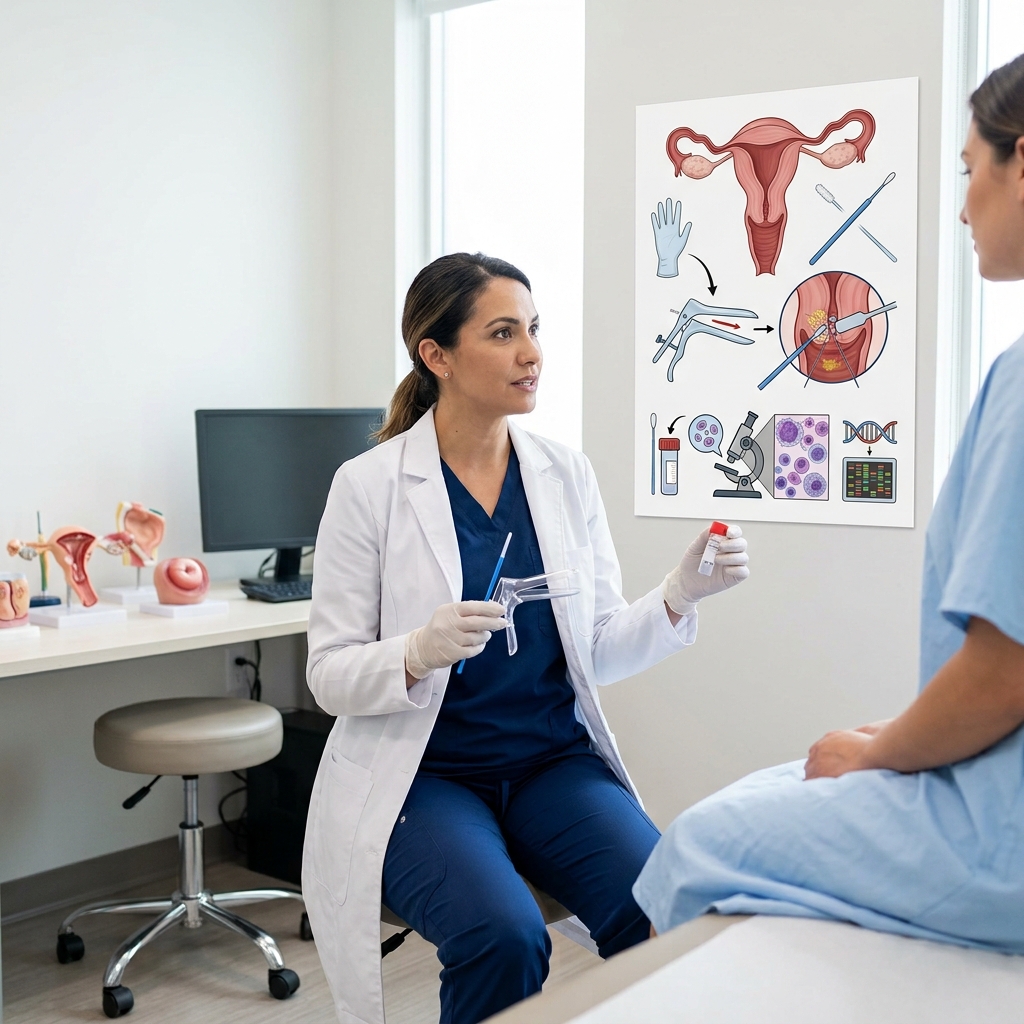
Cervical Cancer Screening: Pap Smear & HPV Testing Guide
Cervical cancer screening is one of the most successful cancer prevention strategies in modern medicine.
Read More →
Endometriosis: Understanding This Common Gynecological Condition
Endometriosis is a chronic gynecological condition in which tissue similar to the lining of the uterus, known as endometrial-like tissue, grows outside the uterus.
Read More →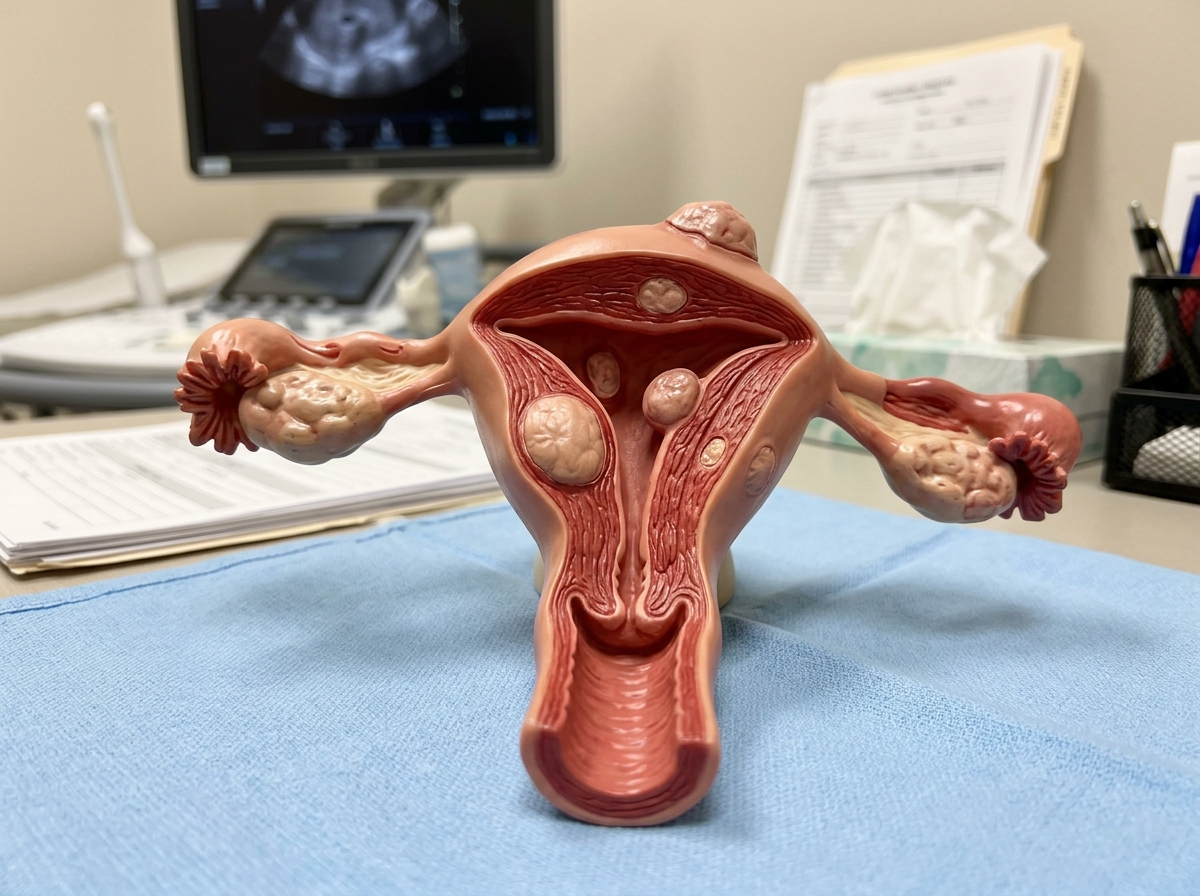
Uterine Fibroids Explained: Types, Symptoms & Treatments
Uterine fibroids, also known as leiomyomas, are non-cancerous growths that develop in or on the uterus. They are exceptionally common, affecting up to 70 percent of women by age 50.
Read More →