Cervical Cancer Screening: Pap Smear & HPV Testing Guide
GynecologyCervical Cancer Screening: Pap Smear & HPV Testing Guide
By Dr. Melika Assefi|May 13, 2024|7 min read
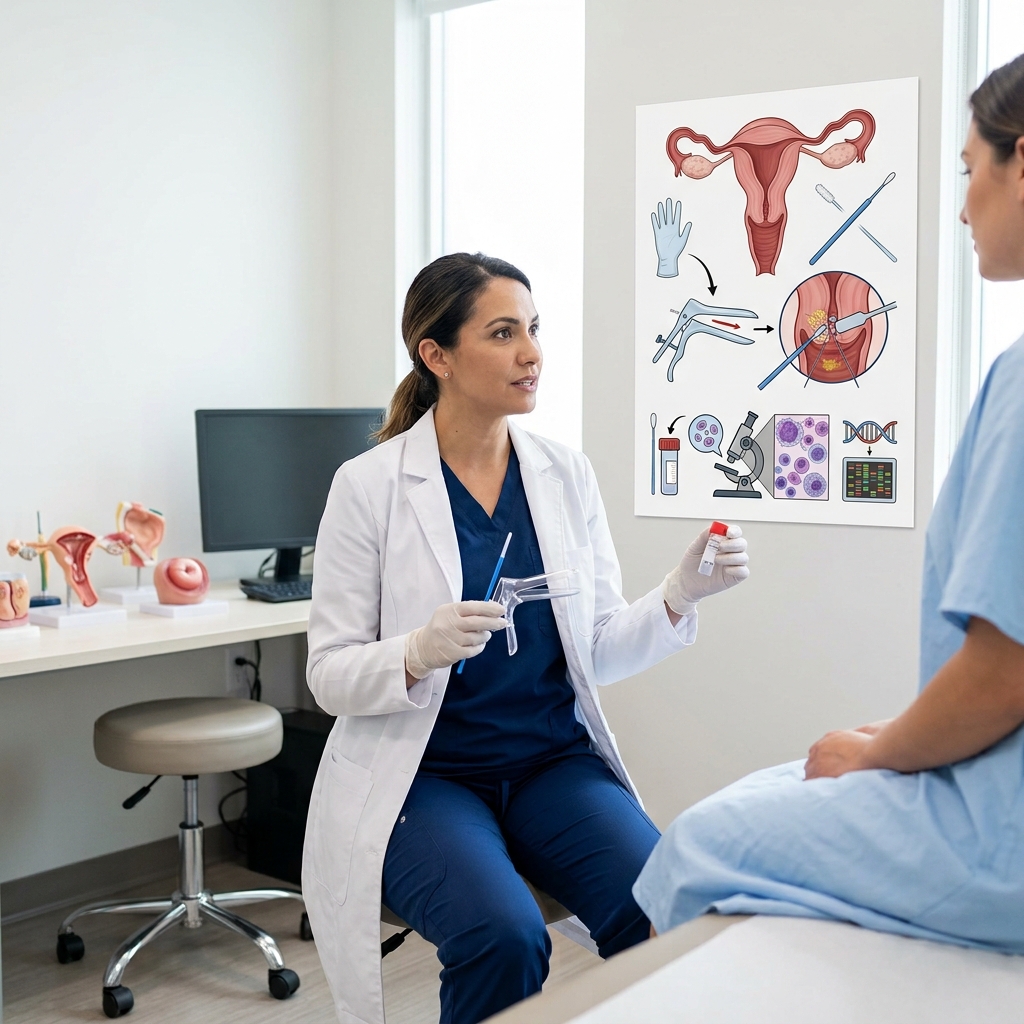
Cervical cancer screening is one of the most successful cancer prevention strategies in modern medicine. Since the introduction of the Pap smear in the mid-20th century, cervical cancer incidence and mortality have declined by more than 70 percent in countries with organized screening programs. Understanding the different screening options and recommended schedules can help women make informed decisions about their health.
The Pap smear, also called Pap test or cervical cytology, involves collecting cells from the cervix to examine them under a microscope for abnormalities. This test can detect precancerous changes in cervical cells before they develop into invasive cancer. The introduction of liquid-based cytology has improved the sensitivity of Pap testing by providing clearer samples that are less contaminated by blood and mucus.
HPV testing detects the presence of high-risk types of human papillomavirus that are responsible for virtually all cases of cervical cancer. HPV testing can be performed on the same sample collected for the Pap smear. HPV testing is more sensitive than Pap testing alone for detecting cervical precancer, though it is less specific, meaning it may identify HPV infections that will resolve on their own without causing disease.
Screening guidelines have evolved to incorporate both Pap and HPV testing. Current recommendations suggest that women aged 21 to 29 should undergo Pap testing every three years. For women aged 30 to 65, co-testing with Pap and HPV every five years is preferred, though Pap alone every three years is acceptable. Women who have been adequately screened may discontinue screening after age 65 if they are at average risk.
Abnormal screening results do not necessarily mean cancer. Most abnormal Pap results indicate mild changes that often resolve on their own, particularly in younger women. HPV-positive results indicate the presence of the virus but do not confirm disease. Follow-up protocols depend on the specific abnormalities found and may include repeat testing in 6 to 12 months, colposcopy for closer examination of the cervix, or biopsy of suspicious areas.
Colposcopy is a procedure in which a special magnifying instrument called a colposcope is used to examine the cervix in detail. If abnormal areas are identified, a small tissue sample called a biopsy may be taken. Depending on the biopsy results, treatment options include loop electrosurgical excision procedure where a thin wire loop removes abnormal tissue, cryotherapy to freeze abnormal cells, or laser therapy to vaporize them.
Regular cervical cancer screening is important even for women who have received the HPV vaccine, as the vaccine does not protect against all high-risk HPV types. Women with a history of cervical cancer, HIV infection, immunosuppression, or exposure to diethylstilbestrol in utero may require more frequent screening. Pregnant women can safely undergo Pap testing and colposcopy if needed for evaluation of abnormal results.
Related Articles in Gynecology

Abnormal Uterine Bleeding: Causes & Treatment Options
Abnormal uterine bleeding is one of the most common reasons women seek gynecological care, accounting for up to one-third of outpatient visits.
Read More →
Endometriosis: Understanding This Common Gynecological Condition
Endometriosis is a chronic gynecological condition in which tissue similar to the lining of the uterus, known as endometrial-like tissue, grows outside the uterus.
Read More →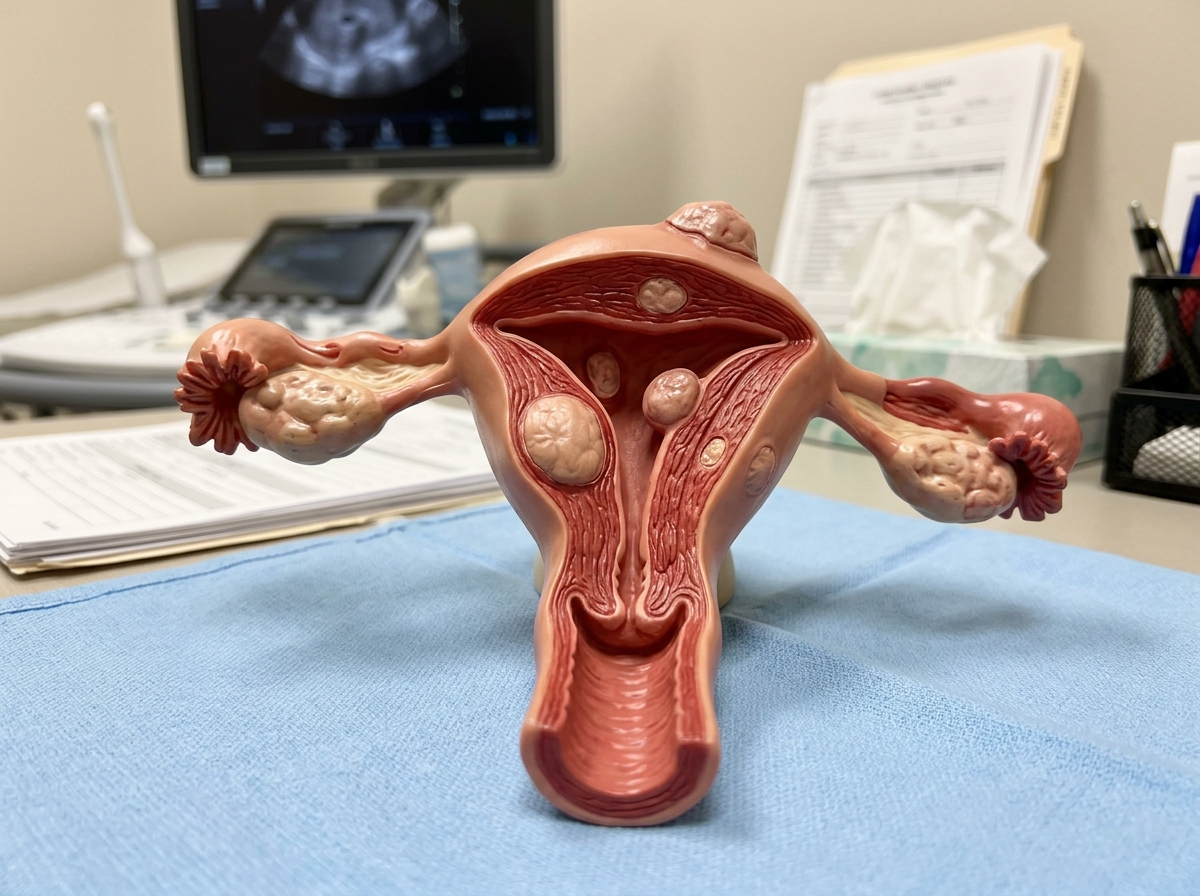
Uterine Fibroids Explained: Types, Symptoms & Treatments
Uterine fibroids, also known as leiomyomas, are non-cancerous growths that develop in or on the uterus. They are exceptionally common, affecting up to 70 percent of women by age 50.
Read More →