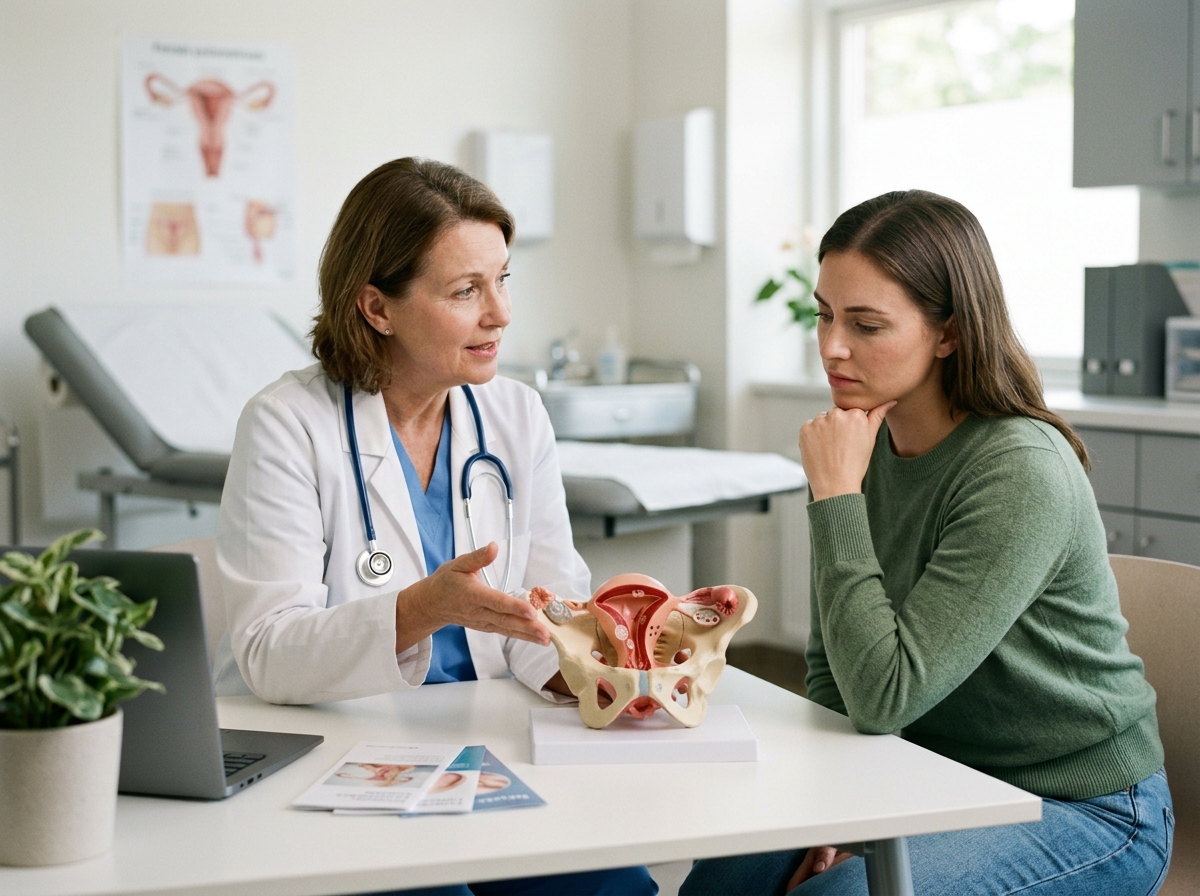
Endometriosis: Understanding This Common Gynecological Condition
GynecologyEndometriosis: Understanding This Common Gynecological Condition
By Dr. Melika Assefi|Apr 15, 2024|8 min read
Endometriosis is a chronic gynecological condition in which tissue similar to the lining of the uterus, known as endometrial-like tissue, grows outside the uterus. This displaced tissue can be found on the ovaries, fallopian tubes, bladder, bowel, and the lining of the pelvic cavity. Endometriosis affects approximately 1 in 10 women of reproductive age worldwide, yet it remains significantly underdiagnosed and misunderstood.
The exact cause of endometriosis is not fully understood, but several theories exist. Retrograde menstruation, where menstrual blood flows backward through the fallopian tubes into the pelvic cavity instead of leaving the body, is one of the most widely accepted explanations. Other theories include genetic predisposition, immune system dysfunction, metaplasia where normal cells transform into endometrial-like cells, and lymphatic or vascular spread of endometrial cells.
The most common symptom of endometriosis is pelvic pain, particularly around the time of menstruation. The pain is often severe and can be described as sharp, stabbing, or cramping. Many women also experience pain during intercourse, pain with bowel movements or urination, heavy menstrual bleeding, bloating, nausea, and fatigue. The severity of pain does not always correlate with the extent of the disease; some women with minimal disease experience debilitating pain while others with extensive disease may be asymptomatic.
Endometriosis is a leading cause of infertility, affecting up to 50 percent of women with the condition. The mechanisms by which endometriosis impairs fertility include anatomical distortion from scar tissue and adhesions, inflammation that negatively affects egg quality and implantation, and hormonal imbalances. However, many women with endometriosis can conceive naturally or with assisted reproductive technologies.
Diagnosis of endometriosis often takes an average of 7 to 10 years from the onset of symptoms. This delay is due to symptom overlap with other conditions and the lack of a non-invasive diagnostic test. The gold standard for diagnosis is laparoscopy, a minimally invasive surgical procedure in which a camera is inserted into the pelvic cavity to visualize endometrial implants. Biopsy of suspicious lesions can confirm the diagnosis histologically.
Treatment for endometriosis depends on the severity of symptoms, the extent of the disease, and the patient's reproductive goals. Pain management with nonsteroidal anti-inflammatory drugs is often the first step. Hormonal therapies including combined oral contraceptives, progestins, and gonadotropin-releasing hormone agonists work by suppressing ovulation and reducing estrogen stimulation of endometrial tissue, thereby reducing pain and disease progression.
Surgical treatment through laparoscopy can remove endometrial implants, excise scar tissue, and restore pelvic anatomy. For women who wish to preserve fertility, conservative surgery aims to remove diseased tissue while preserving the uterus and ovaries. For women who have completed childbearing and have severe symptoms, a hysterectomy with removal of both ovaries may be considered, although this does not guarantee complete symptom relief.
Lifestyle modifications including anti-inflammatory dietary patterns, regular exercise, stress management, and complementary therapies such as acupuncture may help manage symptoms alongside conventional medical treatment. Support groups and counseling can provide valuable emotional support for women living with this chronic condition. Ongoing research continues to explore new diagnostic tools and treatment options including targeted immunomodulatory therapies.
Related Articles in Gynecology
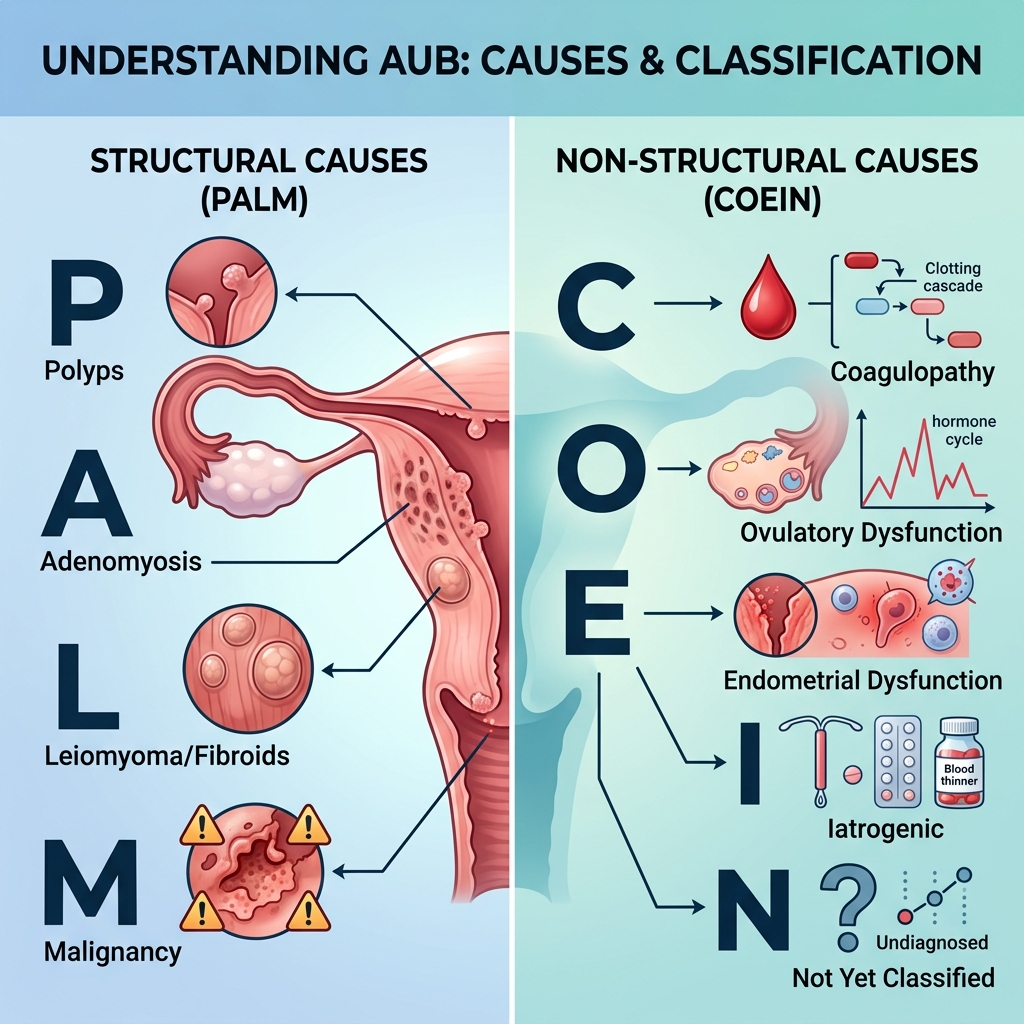
Abnormal Uterine Bleeding: Causes & Treatment Options
Abnormal uterine bleeding is one of the most common reasons women seek gynecological care, accounting for up to one-third of outpatient visits.
Read More →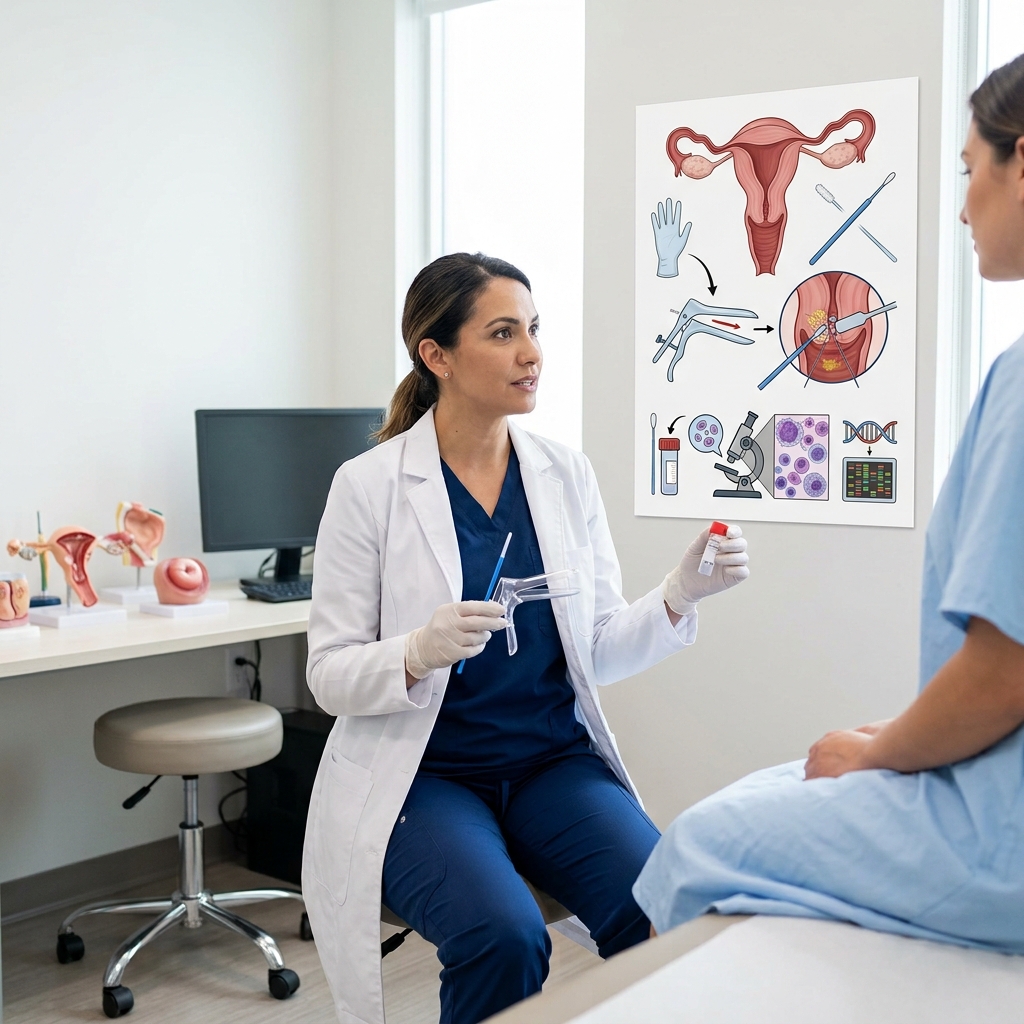
Cervical Cancer Screening: Pap Smear & HPV Testing Guide
Cervical cancer screening is one of the most successful cancer prevention strategies in modern medicine.
Read More →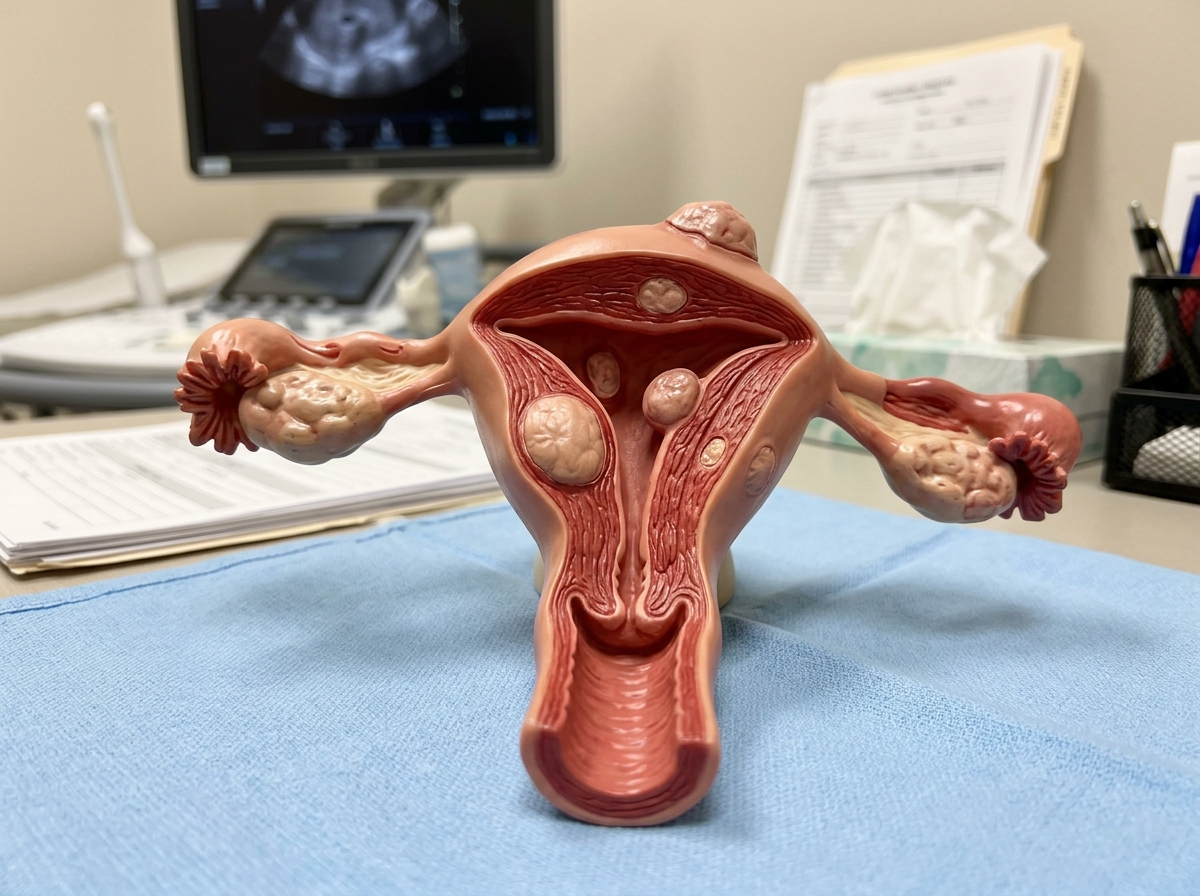
Uterine Fibroids Explained: Types, Symptoms & Treatments
Uterine fibroids, also known as leiomyomas, are non-cancerous growths that develop in or on the uterus. They are exceptionally common, affecting up to 70 percent of women by age 50.
Read More →